
A Guide to Growing Fruits and Vegetables
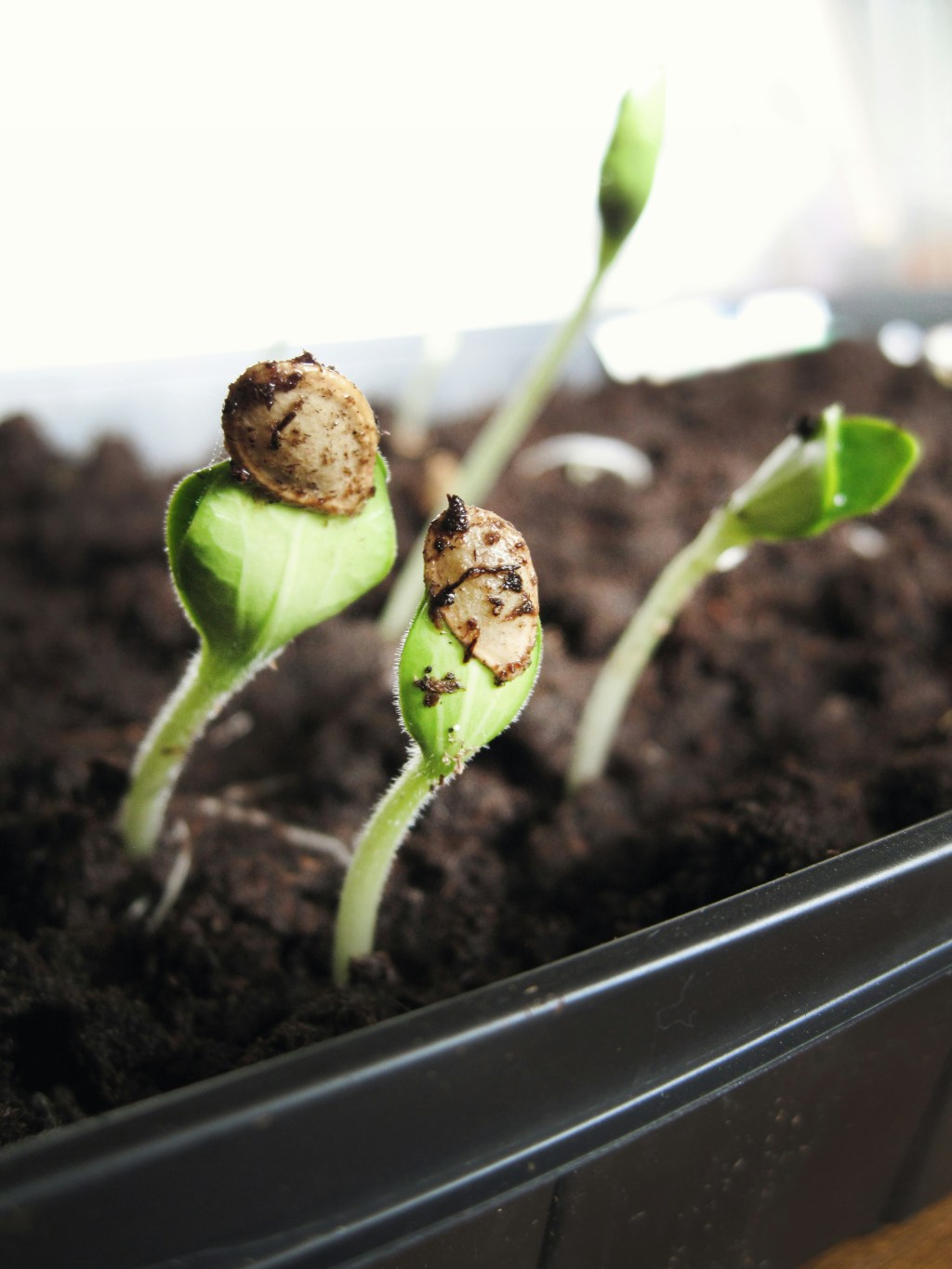
Spring is here, and for many of us, that means it’s time to roll up our sleeves and get our hands dirty in the garden. Whether you’re a seasoned gardener or a novice with a green thumb itching to emerge, planting fruits and vegetables from seeds can be a rewarding endeavor. But where do you begin? Fear not! With a bit of knowledge and preparation, you can set yourself up for success and watch your garden flourish. Let’s dive into the art of planting seeds and explore some tips for specific crops that are low-maintenance and have done really well in our farm.
1. Know Your Zone: Before you start planting, it’s crucial to know your hardiness zone. This will help you determine the best time to plant certain seeds based on your region’s climate and growing season.
2. Choose Quality Seeds: Invest in high-quality seeds from reputable suppliers. Look for varieties that are well-suited to your climate and growing conditions. These are the seeds we use at our farm.
3. Prepare Your Soil: Good soil is the foundation of a healthy garden. Make sure your soil is well-draining, nutrient-rich, and free of weeds and debris. Consider amending it with compost or organic matter to improve its texture and fertility. Many stables will give you manure for free so that you can make your soil more nutrient-rich.
4. Timing is Key: Different fruits and vegetables have different planting times. Some, like tomatoes and peppers, are best started indoors several weeks before the last frost date, while others, like beans and squash, can be directly sown into the ground after the danger of frost has passed. Consult a planting calendar or local gardening resources for guidance on when to plant each crop in your area.
5. Planting Techniques: When it comes to planting seeds, there are several techniques you can use, depending on the crop. The following crops have proven to do very well in our farm with minimal attention, so I encourage beginners to start with these five seeds.
- Carrots: Carrot seeds are tiny and should be sown directly into the soil. Prepare a shallow furrow, sprinkle the seeds thinly, and cover them lightly with soil. Keep the soil consistently moist until the seeds germinate.
- Beans: Beans can be sown directly into the ground once the soil has warmed up. Plant them in rows or clusters, spacing the seeds according to the variety’s recommendations. Provide support for climbing varieties if needed.
- Tomatoes: Tomato seeds are usually started indoors in seed trays or pots. You can use an egg cartons as a seed tray. Plant them in a well-draining seed starting mix, and keep them warm and moist until they germinate. Transplant the seedlings into the garden once the weather has warmed up and all danger of frost has passed.
- Lettuce: Lettuce seeds are small and should be sown directly into the soil or started indoors in seed trays or egg cartons. If planting directly outdoors, prepare a shallow furrow and scatter the seeds thinly. Cover them lightly with soil and keep the soil consistently moist until the seeds germinate. Once the seedlings have sprouted, thin them to the recommended spacing to allow for proper airflow and growth. Lettuce prefers cooler temperatures, so consider planting it in partial shade or providing shade cloth during hot summer months.
- Peppers: Pepper seeds can be started indoors several weeks before the last frost date. Plant them in seed trays or pots filled with a well-draining seed starting mix. Sow the seeds about ¼ inch deep, and keep the soil warm and moist until germination occurs. Once the seedlings have developed their first set of true leaves, transplant them into larger pots or directly into the garden, spacing them according to the variety’s recommendations. Peppers thrive in warm, sunny locations with fertile, well-drained soil.
6. Water and Care: Once your seeds are planted, proper watering and care are essential for their growth and development. Mulching can help conserve moisture and suppress weeds.
7. Patience and Persistence: Gardening requires patience and a willingness to learn from both successes and failures. Don’t be discouraged by setbacks, and don’t be afraid to experiment with different techniques and varieties. With time and care, you’ll be rewarded with a bountiful harvest of fresh, homegrown fruits and vegetables.
In conclusion, successfully planning and planting fruit and vegetable seeds is a gratifying journey that begins with good preparation, timing, and technique. By following these tips and adapting them to your specific growing conditions, you’ll be well on your way to enjoying the fruits and veggies of your labor in no time. Happy gardening!

 Faithful Farm Fam
Leave a comment